GreenMoney follows a documented journey: recover plastic, sort and process it, supply verified buyers, record receipts and direct value back into local programs.
GreenMoney is presented as an Australia-facing prototype for recycling operations and community giving. The public pages explain the model in plain language, while the dashboard records package activity, payments, withdrawals, donations and receipts.
Plastic recovery
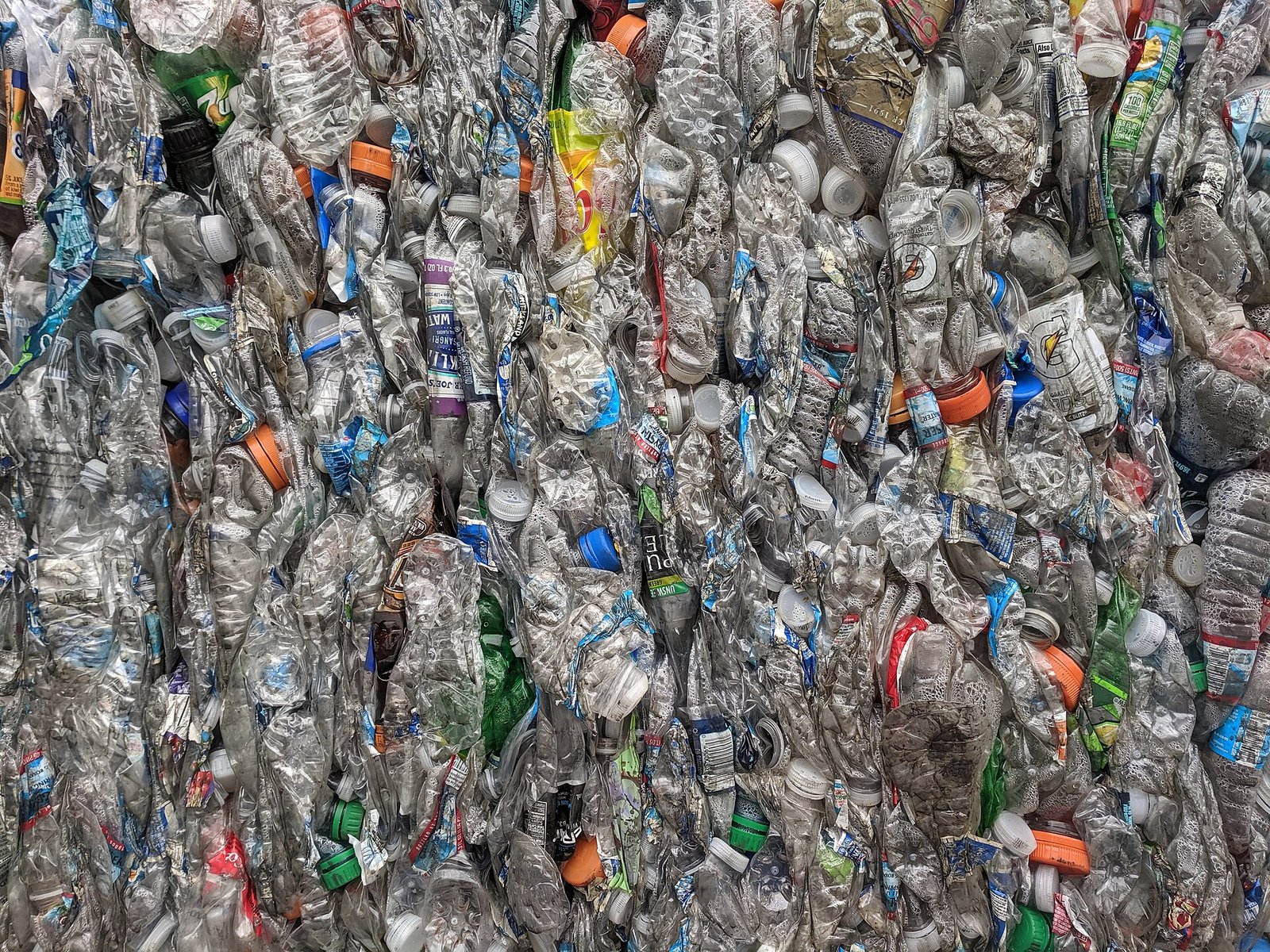
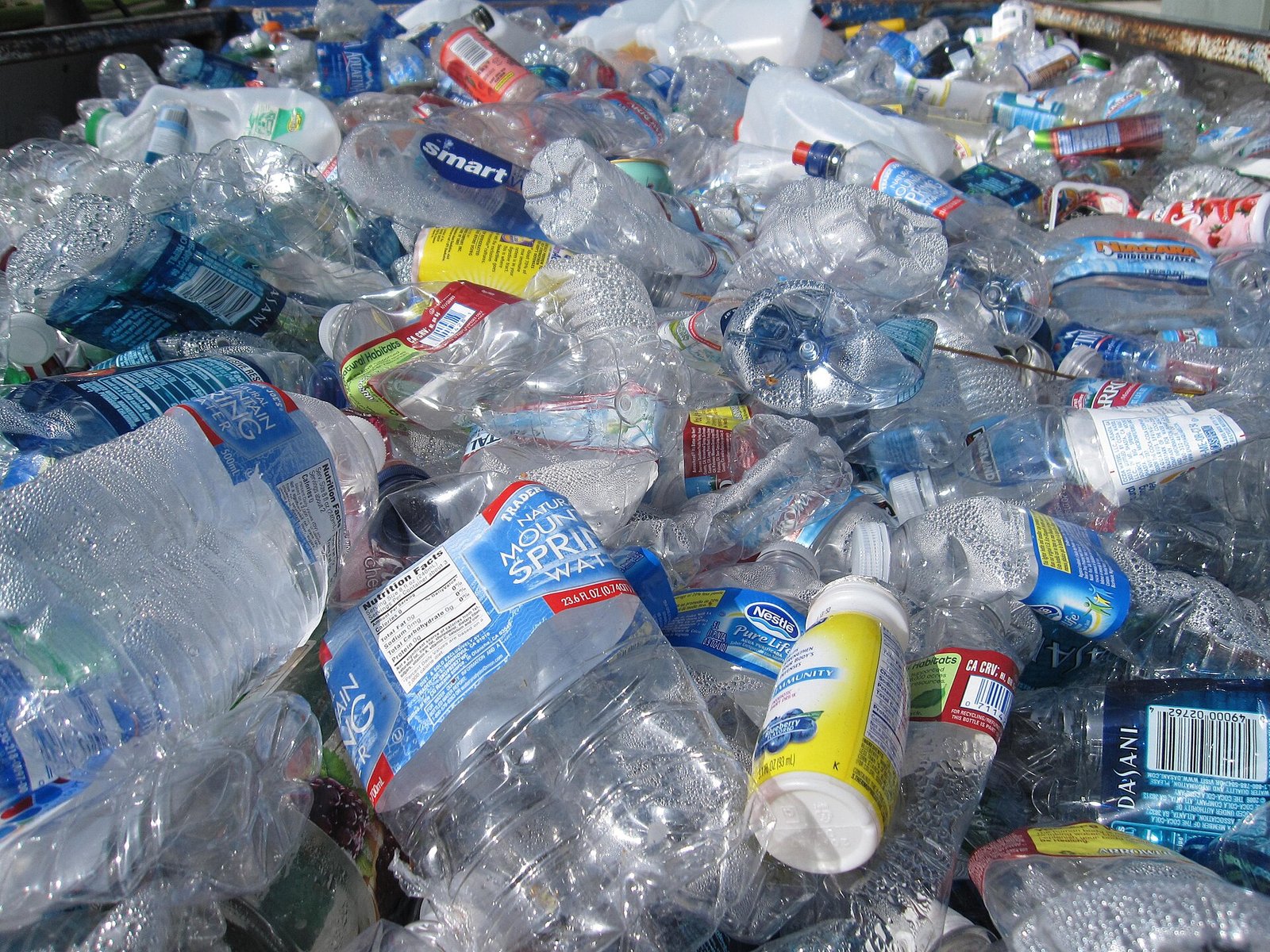
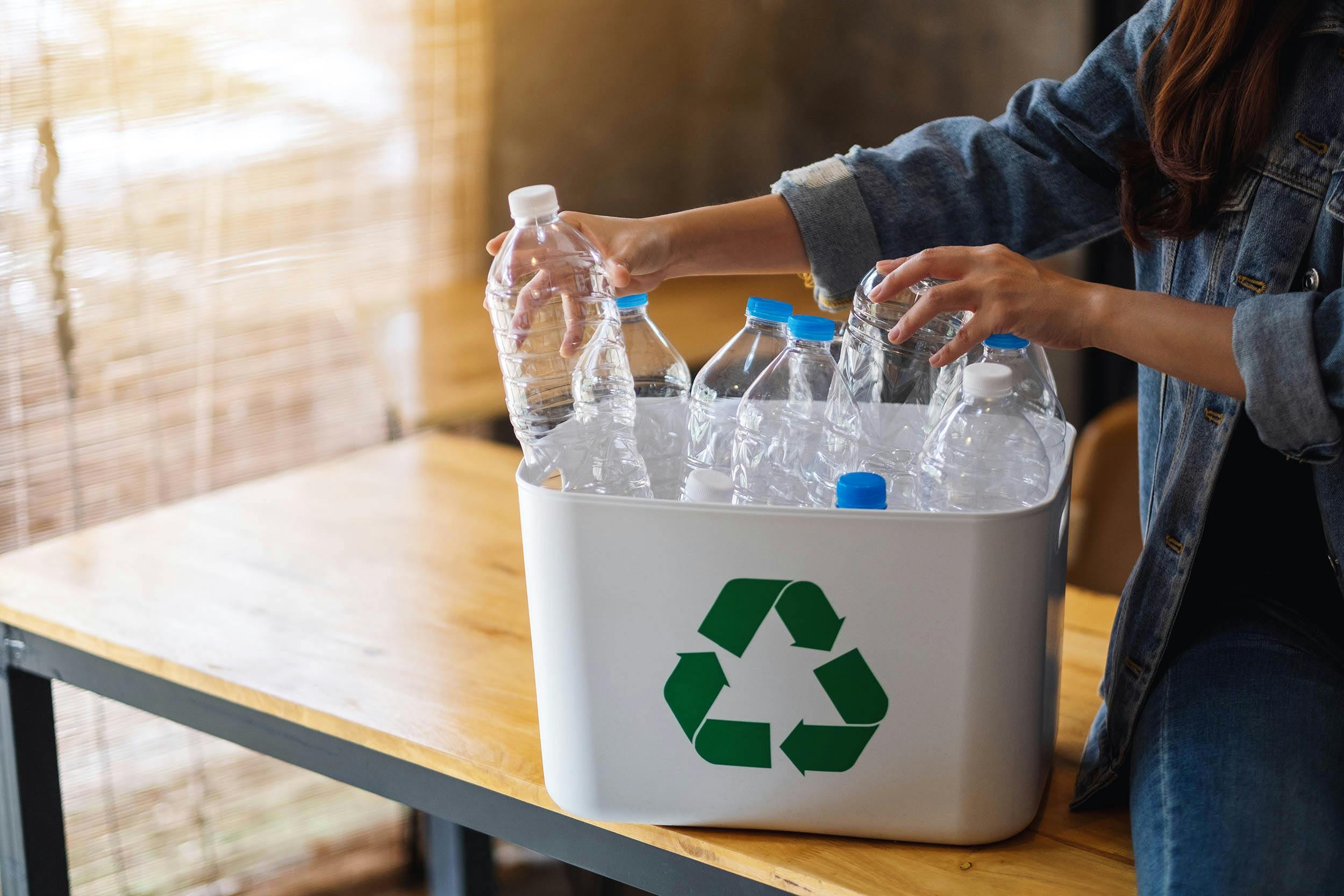
Collection starts with homes, businesses, events and local partners. Material is weighed, logged and assigned to a source so that the program can show where plastic was recovered and how it entered the value chain.
Sorting and processing
Recovered plastic is separated by type and quality. Clean, consistent sorting improves processing outcomes, reduces contamination and helps buyers or recyclers understand what they are receiving.
Verified supply
Processed material can be dispatched to verified recycling buyers with batch notes, quantity, expected value and transaction records. This is the step where environmental effort becomes a documented business workflow.
Community receipts
Donations, sponsorships and support payments generate receipts. Those records can connect financial support with the purpose selected by the donor, such as food relief, education or recycling awareness.
Impact reporting
The final output is a reportable story: kilograms recovered, items diverted, donors thanked, programs supported and risks disclosed clearly. That is what makes the model more credible than a simple landing page.
Implementation blueprint
The live version should connect each public promise to an auditable operating record. That means collection notes, processing batches, buyer documents, donation receipts, gateway references, admin approvals and monthly impact summaries should all be linked instead of sitting in separate spreadsheets.
For an Australian rollout, the system should also include privacy notices, tax settings, user roles, secure file uploads, gateway keys stored outside public HTML, and a clear difference between donations, purchases, rewards and withdrawals.
What the public should see
Supporters should be able to understand the story without logging in: what is collected, how it is processed, where value goes, what risks exist, and how donations are receipted. Strong public content builds trust before any dashboard action is requested.
Impact pages should avoid exaggerated claims. They should show plain numbers, dates, partner names where approved, and receipts or reports that can be checked by donors, operators and advisors.
Governance checklist
Before launch, GreenMoney should verify business registration, recycling permissions, fundraising rules, payment gateway terms, AML/KYC needs, tax treatment, consumer law, referral compliance and data protection obligations.
The prototype keeps these warnings visible because a responsible NGO-style platform must be credible first. The goal is not just a good-looking page; it is a public experience that feels careful, transparent and accountable.
Waste is not the end of the story. It can be the start of cleaner places, useful records and stronger local participation.